Product & Web Development
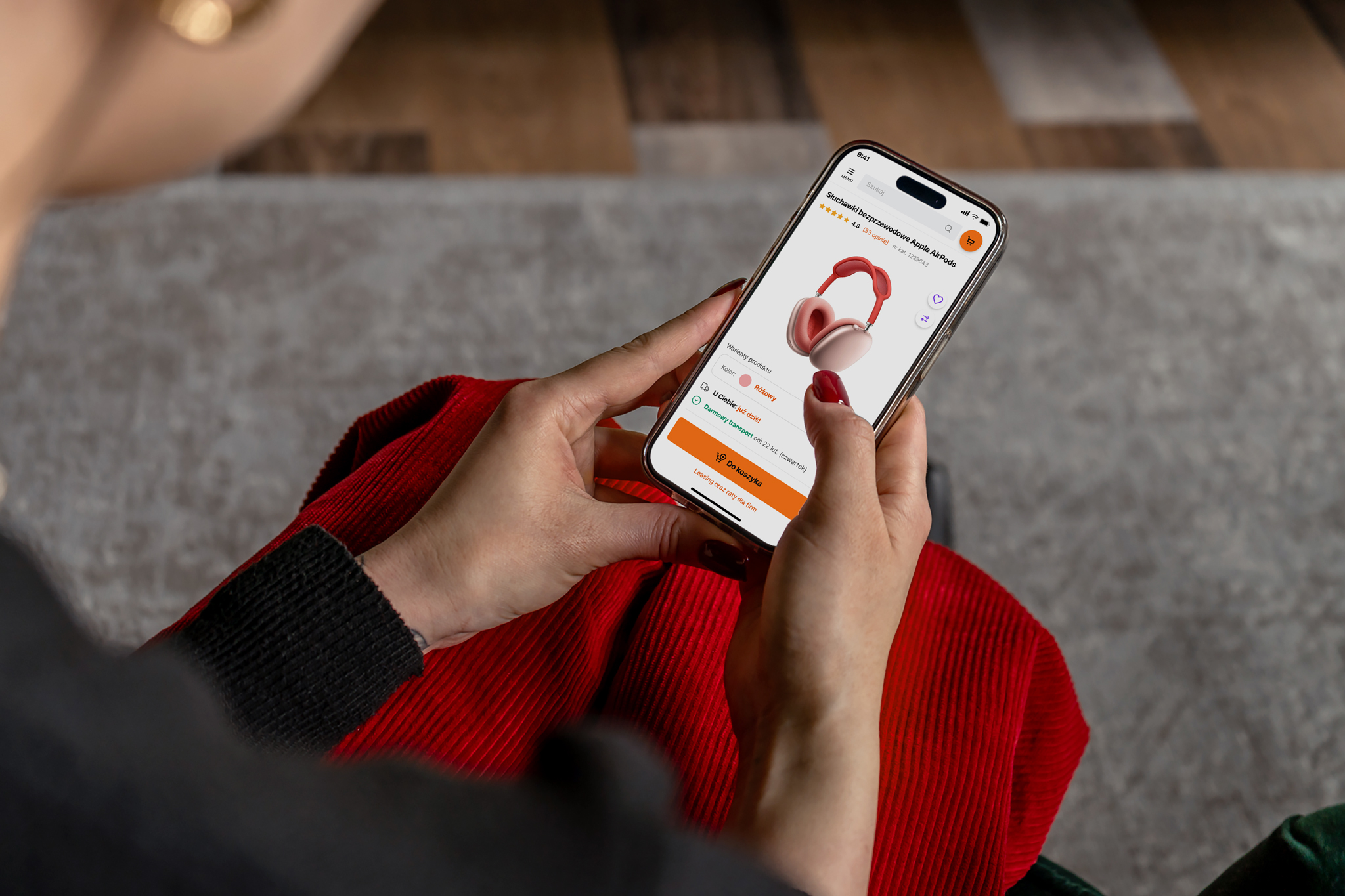
Business objectives in the redevelopment of the e-commerce platform
Our long-standing collaboration has focused on the rapid validation of business hypotheses and the implementation of changes that have a tangible impact on conversion rates and operational efficiency. Our efforts have resulted in improvements to the user shopping experience and the optimisation of internal processes, leading to a gradual expansion of the scope of our collaboration.
Original objectives:
- Redesign of the mobile version of the shop and maximising the simplification of the checkout process.
- The implementation of a modern technology stack ensuring a faster time-to-market.
- Separating the presentation layer (front-end) from the business logic (back-end) – transitioning to a headless architecture.
Expanding cooperation:
- A complete overhaul of the desktop version of the shop.
- The development and implementation of a corporate Design System to standardise design and development processes.
We were looking for a partner with a strong technological background, one that takes full responsibility for the product and understands market realities. From the outset, this team demonstrated a proactive approach that went beyond the standard scope of a request for quotation.
Working with the e-commerce industry leader
Our client is one of the largest players in the retail market and the undisputed leader in the consumer electronics and modern technology sectors in the region. The scale of its operations encompasses both an extensive network of high-street stores and one of the most frequently visited e-commerce platforms in the country.
In our organisation, we focus on building long-term partnerships. We are not looking for short-term gains – our ambition is to support our clients in their strategic development, which naturally leads to further joint projects. We approach every task with the future in mind: we design and implement solutions in a clean and modular way. We ensure that the systems are easy to maintain and give the client complete freedom in decision-making and technology. This approach – based on transparency and the highest quality of code – has become the foundation of our long-standing collaboration with this prestigious partner.
The challenges of restructuring a large e-commerce platfor
- Heavy traffic and high expectations: The very high volume of visits, combined with a strict approach to availability and performance, meant we had to adhere strictly to the SLA.
- Resilience and scalability: The application had to be not only scalable, but also able to cope with heavy traffic during peak sales periods, ensuring complete user satisfaction.
- Coordination and scale: The large scale of the project meant close collaboration with the client’s internal teams and external partners, as well as careful coordination of objectives.
Teamwork in complex e-commerce projec
Our internal values are reflected in the way we work with our clients. We involve our specialists in direct contact – these are the people who are actually responsible for a given issue and who know the solutions best. Whether we are rebuilding an application, implementing a new architecture or designing an e-commerce system, we always ensure the following:
- Multidisciplinary team dedicated to the client
- The involvement of all its members in every stage of the project’s development
- Direct contact with the customer and reducing communication overhead
- Close cooperation with members of the client-side teams and external partners
We knew that working in an environment requiring rapid change and adaptation to business needs could be a challenge, which is why we were keen to find a partner who was not only competent in programming but also experienced in working on complex projects, open to our needs and with a proactive approach to the product being developed. From the very beginning, our partner understood our needs, whilst placing a strong emphasis on the website’s users. Their team went above and beyond the scope of the request for proposal, and this committed approach has remained unchanged after several years of collaboration.
The Philosophy of Agility and Software Craftsman
For us, working in line with the philosophy of Software Craftsmanship means operating to the highest standards in the industry. One of the main benefits of this approach is that our projects are designed and implemented in such a way as to minimise costs and maximise the lifespan of the solution, whilst generating the maximum return on investment.
During the software development process, we implemented solutions one by one, in small iterations. This allowed the client to see the path to solving problems, which enabled rapid verification of assumptions and the collection of feedback from stakeholders.
Framework: Angular
As part of the project, we have implemented a service based on Angular, a framework designed for building complex applications. We adopted a ‘monorepo’ strategy, which involves having a single code repository for several projects. As different applications use the same codebase, we can automatically roll out new features across all projects.
We made use of specialised tools such as Nx, which simplifies project management and optimises the application development process, and NgRx for state management, which helped to make our work more predictable and efficient.
Headless architecture instead of a monolith
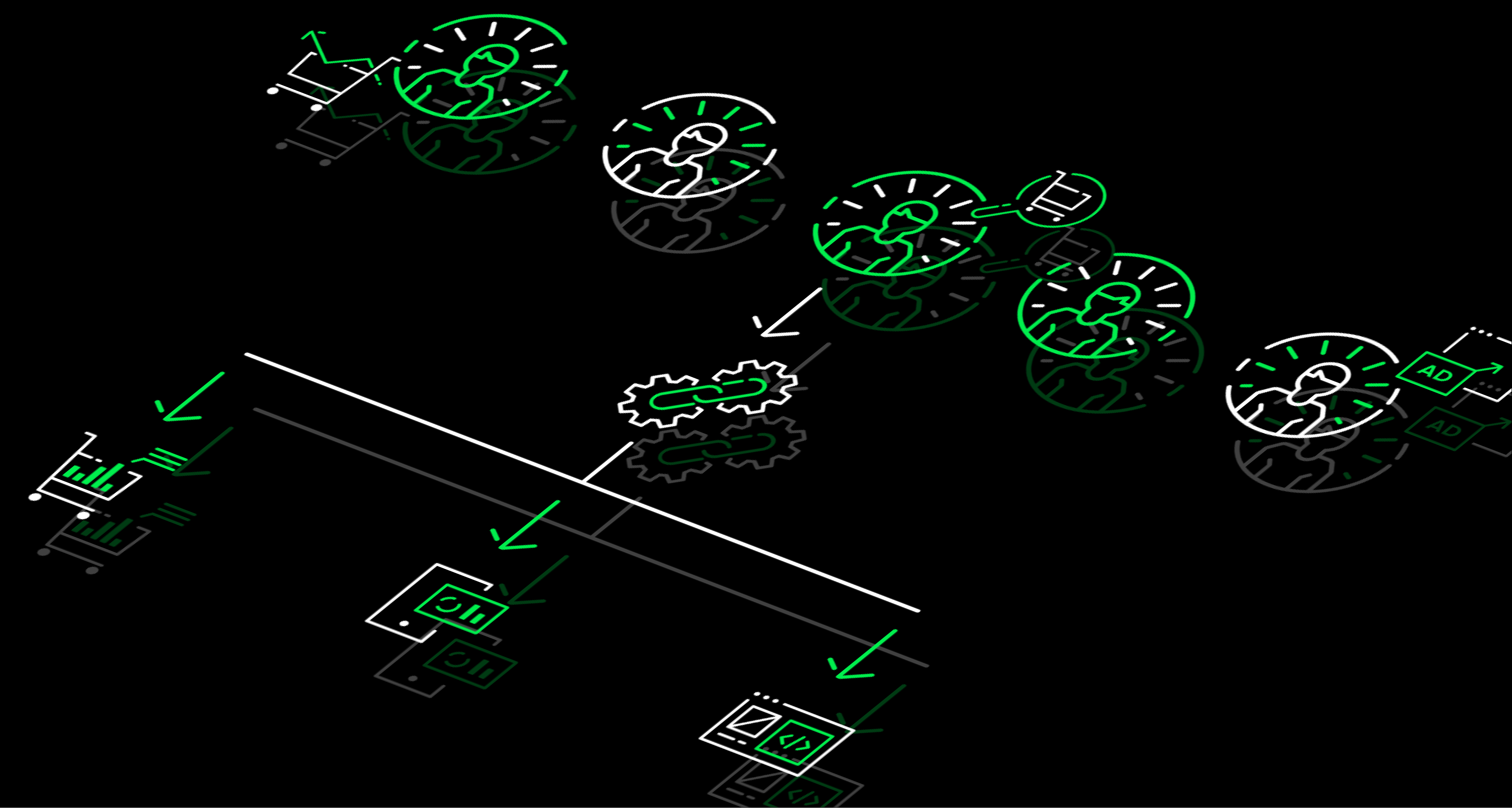
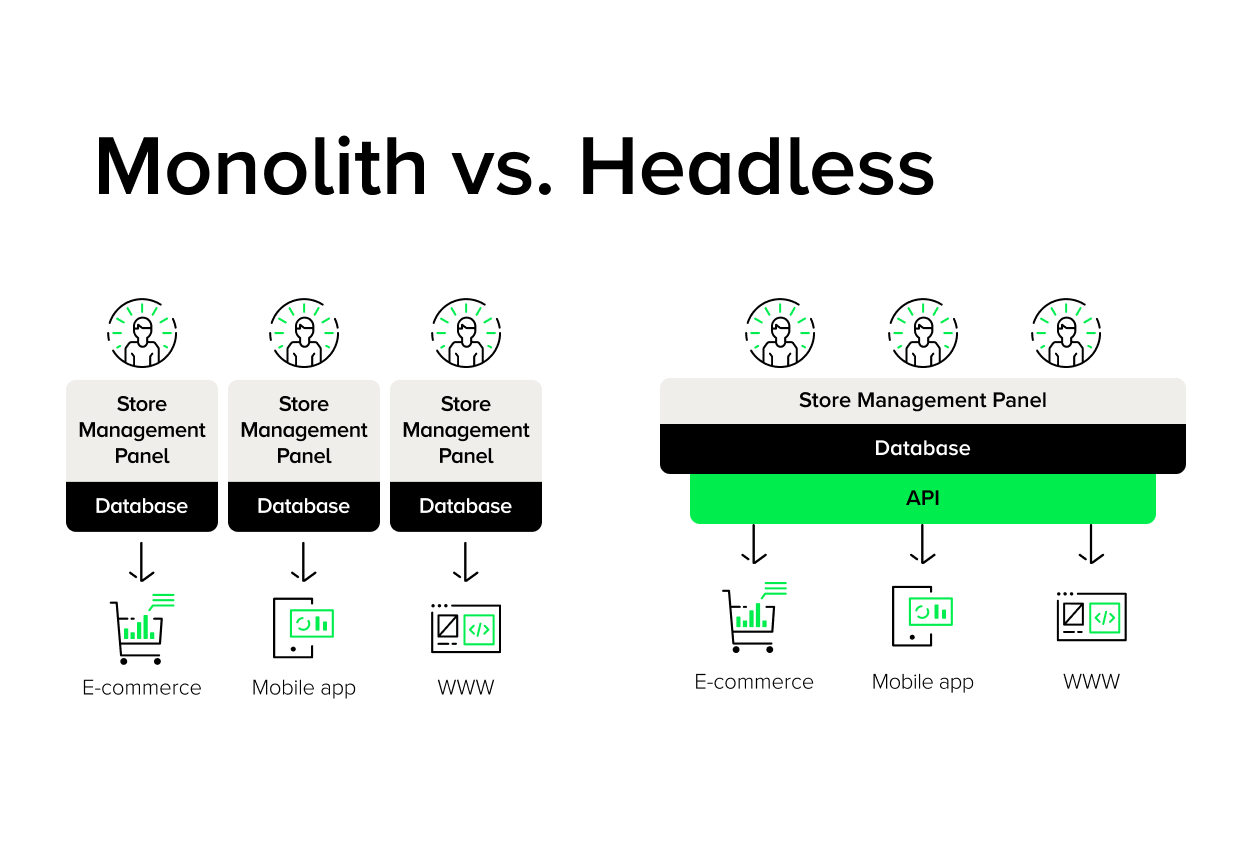
A traditional monolith is the classic approach to software development, where all components are closely interlinked, forming an inseparable whole. For complex e-commerce systems, headless architecture is becoming the increasingly preferred solution. In this model, the frontend and backend are separated, enabling flexibility, scalability and faster implementation of changes. The migration to headless architecture was a strategic move, allowing for better adaptation to business needs – the efficient introduction of new features and improvements, as well as easier integration with external systems.
Find out more about when it’s worth considering Headless E-commerce.
Switching to a headless architecture
We carried out an iterative migration of the website from a monolithic architecture to a headless architecture, using Angular for Client-Side Rendering (CSR) and Server-Side Rendering (SSR), whilst ensuring the website remained operational. The latter was a particularly important factor, as, given the scale of the business, the client would have suffered losses even in the event of a brief interruption to the application’s operation.
We joined existing teams and established collaborations with numerous partners, which was crucial for agreeing on the API structure between the front-end and back-end and defining the solution’s architecture, including the implementation of SSR and the use of caching, to ensure the efficiency and smooth running of the transformation.
What were the benefits of implementing a headless architecture
- A single place to create and serve content – changes made in one interface are applied to all linked applications.
- Scalability and expandability – it is easier to add further sales or content consumption channels.
- It provides a business advantage when adding new sales channels – a faster time to market.
- It makes it easier to work with multiple suppliers.
Is headless right for you?
We do not implement solutions that may seem best from the customer’s point of view – we implement those that best achieve their business objectives and respond to the changing needs of the market.
Need some advice? Let’s have a chat!
Design System for e-commerce
Our collaboration has been expanded to include the development of a Design System, so that it is not merely a collection of design elements, but a comprehensive solution that provides consistent graphic and development libraries, as well as detailed guidelines to facilitate the effective work of designers, developers and other stakeholders involved in the development of the design system.
By putting together an interdisciplinary team of designers and developers, which also included members of the client’s teams, we were able to achieve visual and technical consistency at every stage of the design and implementation of the design system.
We placed particular emphasis on scalability and flexibility, enabling the management of multiple projects simultaneously, whilst maintaining high quality and visual consistency.
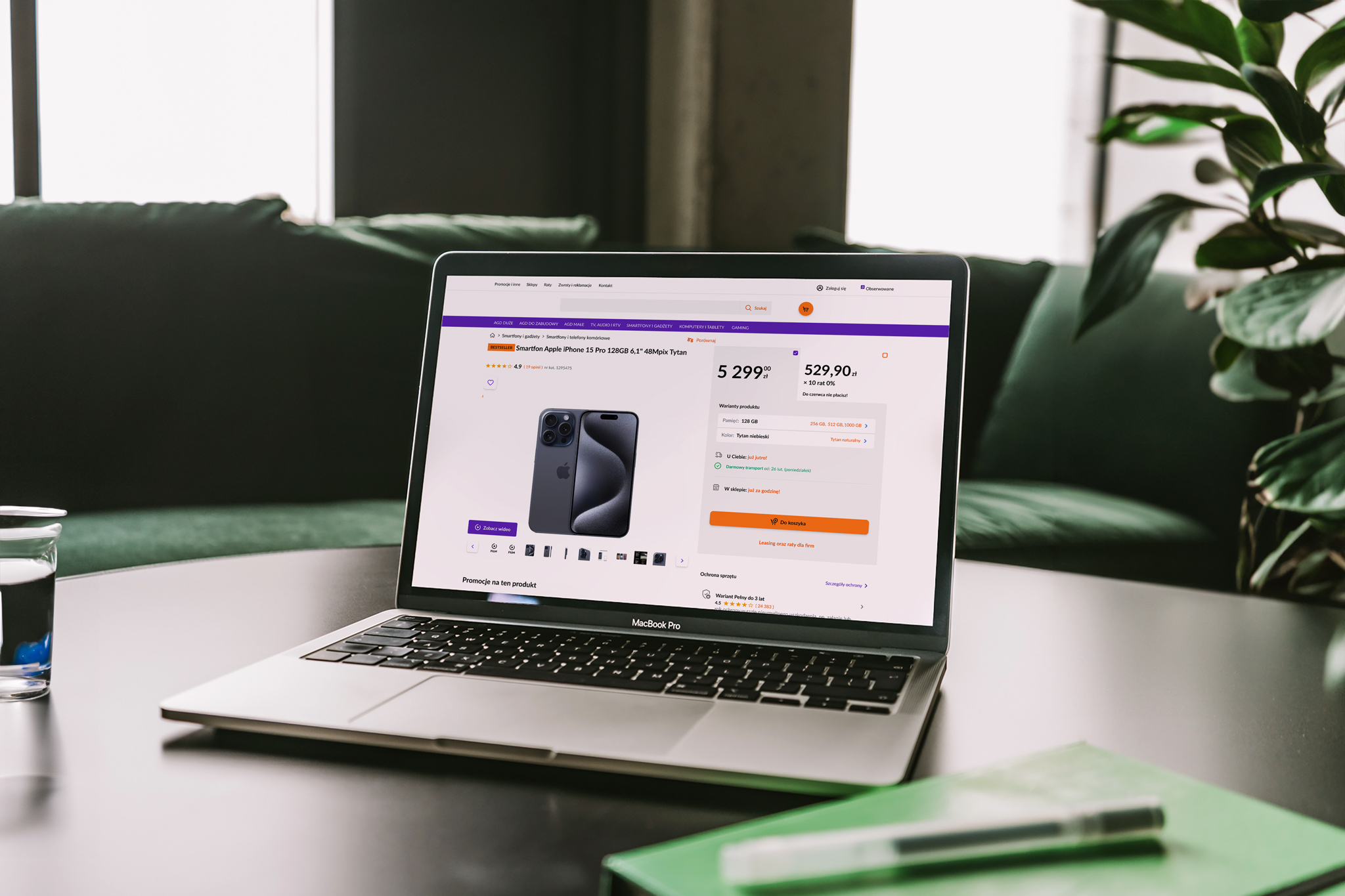
The process of creating a Design System
- Audit and development of a product development roadmap.
- Creating a visual design language and component libraries (for design and development).
- Documentation setting out the standards for using system components.
- Establishing communication patterns between product teams.
- Ongoing maintenance and development of the system to meet current business needs.
Tailoring solutions to the partner’s problems and needs
Initially, our collaboration involved rebuilding the front-end layer for the mobile version of the e-commerce platform, but thanks to our in-depth understanding of the client’s needs and the trust we had built up, the scope of work was expanded to include the desktop version and the development of a complete Design System.
Our Partner was looking for more than just a project contractor, which perfectly reflects SYZYGY’s approach to building partnerships. We believe in creating teams that work closely with the client’s organisation, continuously improving our technology and maintaining transparent communication. By building on these values, we have a real impact on the creation of high-quality, effective products that stand the test of time.
Responding to the challenges facing the e-commerce sector
In the rapidly evolving world of e-commerce, encountering a variety of challenges is inevitable – these relate to business, technological and process-related aspects. Appropriate system architecture, platform security and stability, as well as process optimisation – both internal processes and the end-user’s purchasing journey – are crucial to achieving sales targets. Data analysis and continuous monitoring play a vital role in adapting business and product strategies to current consumer needs and rapidly changing market conditions.
That is why, in such complex projects, stable, well-integrated teams that are able to function effectively in a changing environment are crucial. Their scalability and flexibility enable the efficient management of multiple projects simultaneously, whilst maintaining the highest quality and ensuring the smooth operation of digital products.
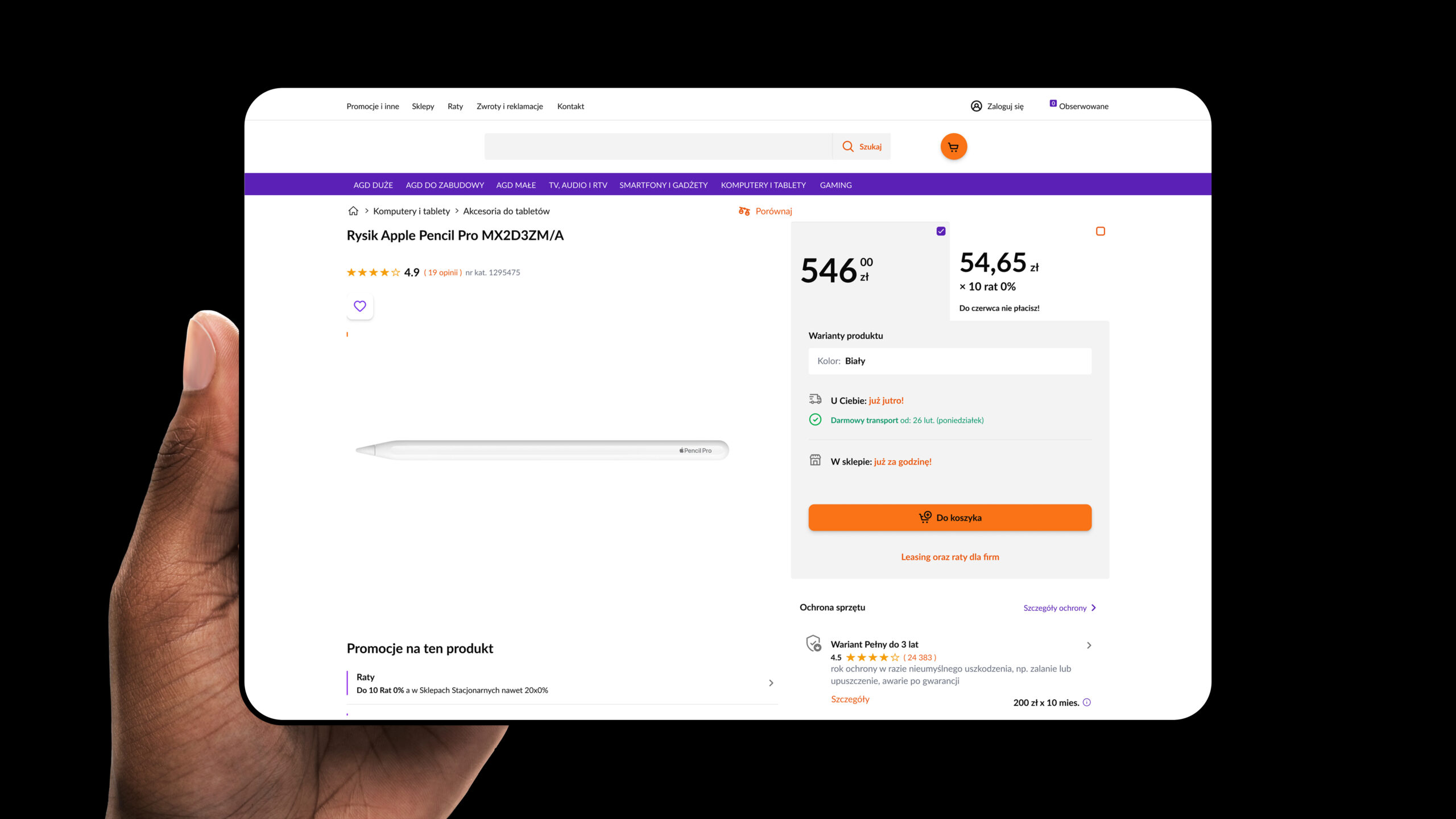
Building interdisciplinary team
We have built closely collaborating interdisciplinary development teams, comprising SYZYGY experts, the Partner’s in-house specialists and representatives from other technical suppliers. Such close cooperation between experts from different organisations has enabled us to adapt rapidly to changing business needs and respond effectively to new market challenges.
Smooth architectural reorganisation
Our team carried out an effective architectural transformation of one of Poland’s leading e-commerce platforms, with our work covering both the existing and new versions of the system. Thanks to meticulous planning and execution, this process took place without any downtime for the website (Zero Downtime). This enabled a seamless transition between architectural models without the slightest impact on the client’s day-to-day business and sales operations.
The stability of the e-commerce platform during peak traffic period
Ensuring system reliability during peak sales periods was a key challenge, particularly given such a complex architecture. Operating in a dynamic environment where every second of service downtime translates into real financial and reputational losses, our priority was to guarantee smooth operation even under extreme load. Thanks to careful planning, continuous performance monitoring and a rapid response to potential risks, we maintained the platform’s full operational stability at the most critical times of the year.
Development and implementation of a Design System
By designing and implementing a comprehensive Design System, we have ensured that all digital products we create offer the highest levels of usability, performance and consistency. The use of tested and optimised ecosystem components has enabled us to improve the quality and accessibility of interfaces whilst accelerating development work.
Building teams with low staff turnover
Thanks to our unique collaborative methods and values such as transparency, trust and accountability, we have built teams characterised by exceptionally low staff turnover. This has enabled us to retain key know-how within the project over many years, ensuring the client the highest level of technological security and continuous platform development.

Book a free consultation
Would you like to find out how to migrate your e-commerce platform to a headless architecture without the risk of downtime? Michał would be happy to tell you about our experience working with Poland’s leading retailers. Get in touch with us and let’s discuss the technology that supports your business.